
Furniture Care & Living · The Furniture Canvas
Upgrading your living room or bedroom means dealing with the old pieces first — and the kerb isn't the only option, or usually the best one. This guide walks through the responsible way to move furniture on in Australia, priority order first: reuse, then repair, then donate or sell, then recycle by material, and council collection or a drop-off centre only for what's left. We're a Queensland-based furniture retailer, so the practical detail here leans QLD-first, with pointers for the rest of Australia too.

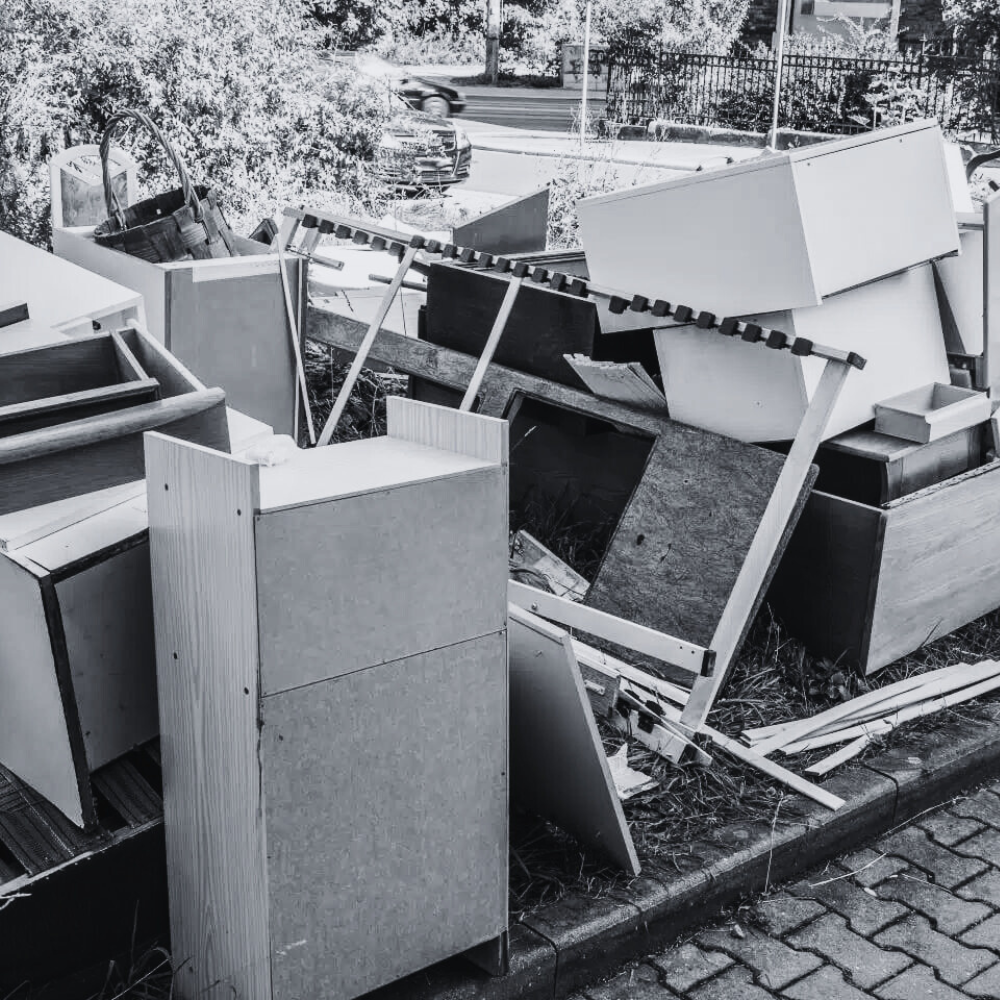
The short version. Work through the options in order: reuse or repair first, then donate or sell if it's clean, complete and safe, then recycle by material (timber, metal, mattresses each have their own path), and use council kerbside collection or a resource recovery centre for whatever's left. Leaving furniture on the footpath outside a scheduled collection window — or outside a closed charity shop — counts as illegal dumping in Queensland, so always confirm the right channel before you move anything to the kerb.
In this guide
Quick decision guide
The most responsible path is almost always the same order: reuse or repair → donate or sell → recycle by material → council collection or drop-off for what's left. Here's how to pick the right lane in under a minute.
- Still sturdy and safe? Donate or sell it — this is what keeps bulky items out of landfill and gets the most use out of the piece.
- Minor damage only? A quick repair or upcycle (sanding, re-covering, tightening joints) can turn a "maybe" into something donatable.
- Broken or unsafe? Book council kerbside collection or take it to a resource recovery centre, and recycle what materials you can along the way.
QLD reminder: putting furniture out at the wrong time, or leaving it outside a charity shop after hours, can be treated as illegal dumping under Queensland law.
Step 1: Check condition, cleanliness & safety
Before you decide where a piece is going, spend five minutes confirming what state it's actually in — it changes every decision that follows.
Is it safe to reuse?
- No sharp edges, broken legs, exposed staples or unstable frames.
- For beds and sofas: no severe sagging, and the frame still feels solid under weight.
- For kids' furniture: no missing parts, and it sits stable on the floor.
Is it clean and pest-free?
- Wipe down hard surfaces and vacuum upholstery thoroughly before you photograph or transport it.
- Make sure it's completely dry — mouldy furniture is rarely accepted by charities. If mould is the issue, our guide to removing mould from fabric furniture is worth a read before you write the piece off.
- If there's any pest concern, choose recycling or disposal over donation.
Can you move it safely?
- Measure doorways and lift access before moving day, not after.
- Get a second person to help lift heavy pieces. Our furniture moving tips cover the full checklist if you're relocating rather than just clearing one item.
Option A: Donate (best if the piece is still usable)
Donation is the ideal outcome when a piece is clean, complete and safe — it keeps furniture in use and out of landfill. Charities publish their own "what we accept" rules, so it's worth checking those before you arrange a pickup or drop-off.
Donation do's
- Donate during opening hours, or via a booked pickup where the charity offers one.
- Be upfront about wear — small scuffs are usually fine, structural damage often isn't.
- Clean the item and dismantle it if the charity asks you to.
Important: in Queensland, leaving items outside charity bins or shops when they're closed can be classed as illegal dumping, not donation.
Donation don'ts
- Don't donate anything broken, unsafe, wet or mouldy.
- Don't leave goods on the footpath "for someone to take."
- Don't drop items outside an op shop after hours.
Option B: Sell or give away
If a piece still has real life left in it, selling or giving it away locally is often the fastest path — and it keeps the item in use with minimal handling. A clear listing does most of the work for you.
A listing that actually sells
- Title: be specific — "3-seater fabric sofa, sturdy frame, pick up only" beats "couch, free."
- Include: dimensions (width × depth × height), approximate age, material and honest condition notes.
- Pickup details: suburb, stairs or lift access, and whether you can help load it.
Quick safety tips
- Keep pickups to daylight hours where you can.
- Have someone else home if possible.
- Use contactless payment methods where practical.
Replacing the piece?
Once the old piece is sorted, browse what's replacing it:
Option C: Council kerbside collection
Council services are the rules-based option when donation or sale isn't suitable. Every council runs this differently, so always check your local council's page for dates and accepted items before you put anything out.

Brisbane example
- Brisbane residents can use the council's annual kerbside collection for large household items.
- Check the kerbside collection calendar and the acceptable/unacceptable items list before you put anything out.
If you put out an unacceptable item, you may be asked to remove it — and fines can apply if it isn't removed in time.
Not in Brisbane?
Every council runs bulky-item collection differently. A location-based directory is the fastest way to find the right option for your suburb, then confirm the specifics on your own council's site.
Option D: Drop-off & resource recovery centres
If a piece isn't suitable for reuse, a resource recovery centre can separate recyclable materials from what genuinely needs to go to landfill. Fees may apply depending on the item type and load size.
Brisbane resource recovery centres
- Accept a range of household items for recycling or disposal.
- Mattresses may require a fee on entry.
- Good-quality reusable items can sometimes be diverted through a tip-shop style reuse pathway.
Material-by-material recycling tips
Sorting furniture by material before you drop it off means more of it actually gets recycled instead of landfilled.
Timber furniture
- Remove metal hardware where it's easy to do — handles, brackets, hinges.
- Keep timber dry and stacked for transport and drop-off.
- Rules for painted or treated timber vary by facility — confirm before you go.
Metal frames
- Disassemble bed frames where possible; they're easier to transport and recycle in pieces.
- Bundle small hardware (bolts, screws) in a bag so it doesn't get lost or scattered.
- Most resource recovery centres separate scrap metal for recycling.
Mattresses
- Mattresses are bulky and shouldn't just go to landfill if a recycling option exists nearby.
- Look for a specialist mattress recycler or a council-supported program in your area.
The fastest way to confirm what's available where you live is to search by postcode or suburb: Recycling Near You – search your suburb.
What not to do
Avoid illegal dumping
In Queensland, illegal dumping includes leaving items on the footpath outside an organised collection day, or outside a charity bin or shop when it's closed. It can apply to larger volumes too — roughly wheelie-bin size and above.
Common "oops" moments
- Putting furniture out weeks early "so someone can take it."
- Leaving donations outside an op shop after hours.
- Mixing unacceptable items into a kerbside pile.
Better plan: book the pickup or make the drop-off the same day you move the piece — don't leave it sitting on the kerb or footpath in between.
A few pieces worth the upgrade
If the old piece is on its way out, here's what a lot of our customers replace it with:

FAQs
Can I put old furniture on the kerb anytime?
Usually no. Only put items out during your council's scheduled kerbside or hard rubbish window, or by booking a service if your council requires it. Putting items out at the wrong time can be considered illegal dumping in Queensland.
What furniture is generally OK to donate?
Clean, complete, safe furniture you'd be happy to give a friend — no major stains, mould, pests, missing parts or structural damage. Always check the charity's "what we accept" guidelines before organising a pickup.
What's the best way to dispose of a broken couch?
If it's unsafe or beyond repair, use council kerbside collection where available, or take it to a resource recovery centre. Recycling options depend on the materials — timber and metal can often be separated out at drop-off facilities.
Do drop-off centres charge fees?
It depends on your council and the type and size of your load. Some items are free to recycle, while bulky waste and mattresses may attract a fee. Check your local facility's page before you go.
How do I recycle a mattress in Australia?
Look for a specialist mattress recycling service where available, or a council-supported option. Some councils also accept mattresses at waste facilities for a fee.
What's the most eco-friendly choice overall?
Reuse first — repair, upcycle, donate or sell. If reuse isn't possible, recycle by material where facilities exist, then use council services or a drop-off centre for what genuinely can't be recovered.
Written by the A2Z Furniture team — five South-East Queensland showrooms, family-owned and operated since 2013. Note: disposal rules and accepted items vary by council and facility — always confirm current requirements before placing items out or dropping off. Last updated July 2026.