
Materials Guide · The Furniture Canvas
Wood grain isn't decoration — it's the fingerprint of the tree the timber came from, and it shapes how a piece of furniture looks, feels and ages more than almost any other design choice. Understanding the difference between a straight-grained oak dining table and a burled walnut coffee table helps you buy furniture that actually suits your space, rather than furniture that just looks good in a product photo. Here's the working guide from our showroom team on how wood grain works, the patterns you'll see across our coffee tables, dining tables and bedroom storage, and how to choose with confidence.

The short version. Wood grain is the pattern left by a tree's growth rings, knots and fibres, and it varies by species and by how the timber is cut. Straight grain suits clean, modern rooms; curly and burl grain suit statement or heirloom-style pieces. Grain also affects durability and care — tighter, straighter grain is generally easier to maintain than heavily figured grain. Match the grain style to your room's overall look, not just to the individual piece.
In this guide
Understanding wood grain
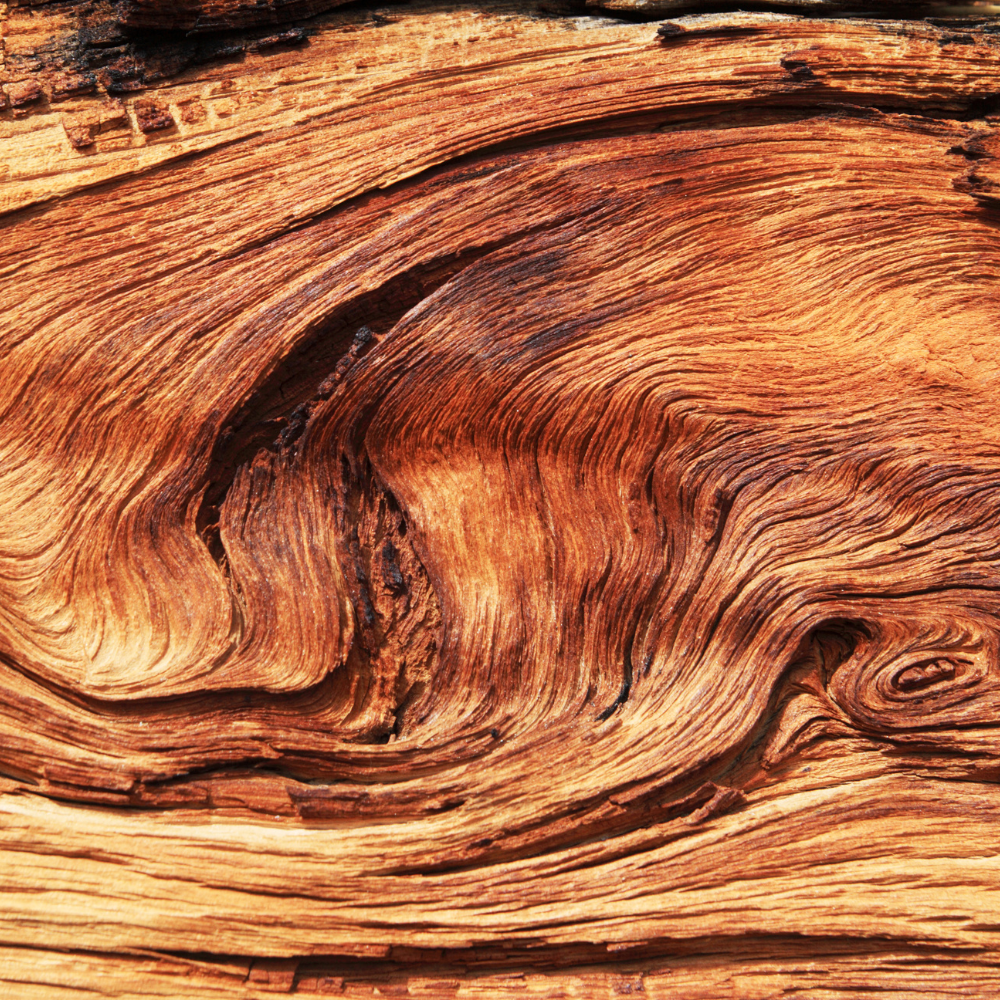
Wood grain is the pattern created by the direction, texture and colouring of the wood fibres as the tree grew — shaped by growth rings, knots and how the log was cut and milled. No two boards are identical, which is exactly what gives solid and veneered timber furniture its individual character. Grain varies by species (oak reads very differently to walnut or mango wood) and by cut — a plain-sawn board shows a different pattern to a quarter-sawn one from the same log. Understanding grain helps you predict how a piece will actually look once it's the size of a dining table or a chest of drawers, not just in a small sample swatch.
The main wood grain patterns
Straight grain
Straight (or plain) grain runs in long, even, roughly parallel lines along the length of the timber. It's the most common pattern in furniture-grade timber and the easiest to work with, producing a clean, uncluttered look that reads as simple and contemporary. Straight grain is the look behind most of our wooden coffee tables and wooden dining tables — it's the pattern to look for if you want the timber to sit quietly in the background of the room rather than becoming a feature.
Curly and figured grain
Some timber develops a wavy, rippled figure as it grows, catching light in a way that creates a shimmering, almost three-dimensional effect across the surface. Figured grain is prized for statement pieces because no two boards look the same, and it photographs beautifully on a large flat surface like a tabletop. It's less common than straight grain and tends to appear on feature pieces rather than everyday budget ranges.
Burl and knotty grain
Burl grain comes from irregular growths in the tree and shows up as tight swirls, eyes and clusters rather than parallel lines. It's the most dramatic and irregular of the common grain patterns, and it's usually used sparingly — as a tabletop, a drawer front, or an accent panel — because a little burl goes a long way visually. Knotty grain (visible dark knots within an otherwise straighter pattern) is common in more rustic and Hamptons-leaning furniture, and reads as warm and lived-in rather than polished.

Matching grain to interior style
Modern and minimalist rooms
Clean, straight grain patterns and a smooth, low-sheen finish suit modern and minimalist interiors best — the timber adds warmth without competing with the room's other lines. Lighter timber tones and even grain also help a smaller room feel less busy.
Hamptons and coastal styles
Hamptons-style furniture tends to favour a mix of painted finishes with visible timber accents, often with a lightly distressed or knotty grain that reads as relaxed rather than rustic. See our full Hamptons furniture style guide for how grain and finish work together in that look.
Warm, traditional and heirloom-style rooms
Richer, more figured grain — including burl accents and deeper timber tones — suits rooms built around a sense of warmth and permanence, and pairs well with darker bedroom furniture. Our guide to styling dark wood bedroom furniture covers this pairing in more depth.
Shop the range
Browse timber pieces with natural wood grain across our range:
Where wood grain matters most in furniture
Coffee tables
A coffee table's top is usually the largest single flat timber surface in a living room, so grain pattern is highly visible here. A straight-grained top keeps the room feeling calm; a more figured top becomes a genuine talking point. See our wooden coffee table range for both looks.
Dining tables
Dining tables get the most daily wear of any timber piece in the home, so grain and finish both matter — a well-sealed straight-grained top hides everyday marks better than a heavily figured one, which can show scratches more obviously against the pattern. Browse our wooden dining tables to compare grain and finish side by side.

Chests of drawers and tallboys
On a tall, narrow piece like a tallboy, grain reads vertically rather than horizontally, which changes how the same pattern feels compared with a tabletop. Drawer fronts are also a good place for a feature grain, since they're broken up into smaller panels rather than one continuous surface. Our chest of drawers & tallboys range includes both plain-grained and more characterful timber finishes.
Choosing wood grain furniture for your home
- Start with the room, not the piece. A bold, figured grain can dominate a small room; save statement grain for larger spaces or for a single feature piece.
- Think about maintenance. Simpler, straighter grain with a durable sealed finish is generally the lower-maintenance choice for daily-use pieces like dining tables.
- Match tones, not just patterns. Two different grain patterns in similar timber tones sit together more comfortably than two very different tones with the same grain.
- See it at full size. Grain that looks striking on a small sample can read very differently across a full tabletop — it's worth asking which of our five showrooms has the actual piece on display and seeing it before you commit.
Caring for timber grain finishes
Most of our timber furniture is finished with a protective sealant that guards the grain against everyday moisture and light wear. Wipe with a soft, dry or slightly damp cloth, avoid abrasive cleaners, and use coasters and placemats on dining and coffee tables to protect the finish from heat and spills. Keep timber pieces out of direct, prolonged sun where possible — UV exposure can gradually fade and dry out timber finishes over time, which is a particular consideration in Queensland's climate.
Wood grain FAQs
What is wood grain, exactly?
Wood grain is the pattern created by the direction and texture of a tree's wood fibres, shaped by its growth rings, knots and how the timber was cut. It varies by species and by cut, which is why no two boards of solid timber look exactly alike.
What's the difference between straight grain and figured grain?
Straight grain runs in long, even, roughly parallel lines and gives a clean, contemporary look. Figured grain (including curly, wavy or burl patterns) is more irregular and dramatic, and is usually used on statement or feature pieces rather than everyday budget furniture.
Which wood grain pattern is easiest to maintain?
Straight, even grain with a well-sealed finish is generally the easiest to maintain, since scratches and everyday marks are less visible against a simple pattern than against a heavily figured one.
Does wood grain affect the durability of furniture?
Grain pattern itself is mostly a visual characteristic; durability depends more on the timber species, the construction and the quality of the sealant or finish applied. That said, a well-sealed straight-grained surface tends to show everyday wear less obviously than a highly figured one.
How do I choose wood grain furniture that suits my home?
Start with your room's overall style — clean, straight grain suits modern and minimalist spaces, while more figured or knotty grain suits warmer, traditional or Hamptons-style rooms. Match timber tones across pieces, and see the actual furniture in person before committing, since grain can look different at full size than on a small sample.
How do I care for timber furniture to protect the grain?
Wipe with a soft, dry or slightly damp cloth, avoid abrasive cleaners, use coasters and placemats to protect against heat and spills, and keep timber pieces out of prolonged direct sun to prevent fading and drying of the finish.
Written by the A2Z Furniture team — five South-East Queensland showrooms, family-owned and operated since 2013. Last updated July 2026.