
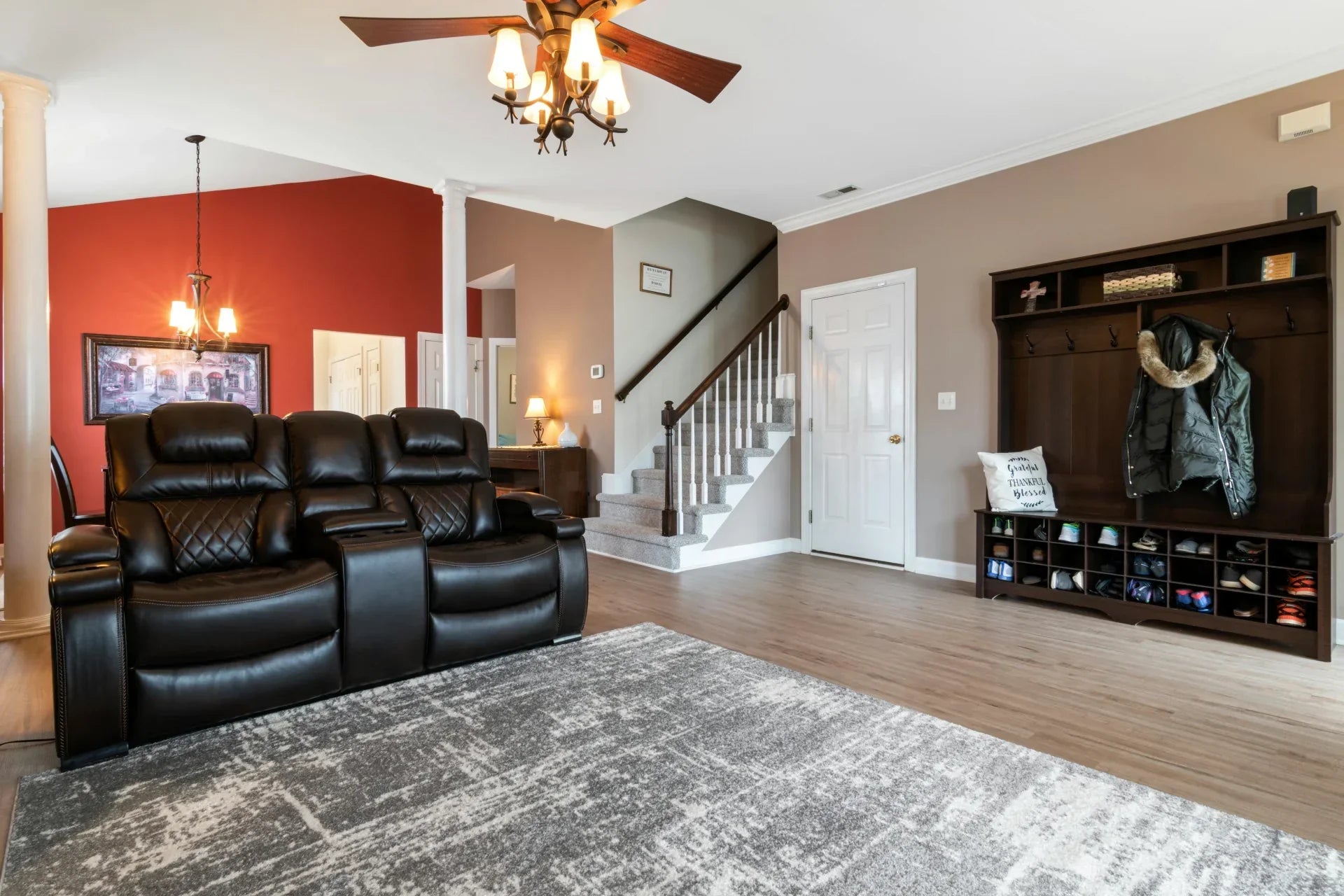
If you’re trying to decide between an electric and manual recliner, the choice really comes down to three things: comfort, convenience, and budget. If you’re comparing manual vs power recliner options, both will kick your feet up and cradle your back, but the experience of each is quite different.
Manual recliners are simple, sturdy, and more wallet-friendly. Electric recliners come at a higher price point, but offer effortless adjustment, precise positioning, and extras like built-in USB ports. This guide walks you through the key differences so you can pick the one that suits your lifestyle and living room best.
What is the Difference Between Electric and Manual Recliners?
The core difference between electric vs manual recliners is how they move. A manual recliner uses a lever on the side or pressure from your body weight to tilt back and raise the footrest. An electric recliner uses a small motor controlled by a button or remote, so you can ease into any position with minimal effort.
Electric models often also come with additional features, including independent headrest adjustment, lumbar support, USB charging, and memory positions. Manual recliners stick to the essentials.
Electric vs Manual Recliner: Key Differences
|
FEATURE |
MANUAL |
Electric |
|
Operation |
Lever or body weight |
Button or remote |
|
Ease of use |
Requires physical effort |
Minimal effort |
|
Price |
Lower upfront |
Higher upfront |
|
Features |
Basic reclining |
USB, powered headset, memory positions |
|
Maintenance |
Fewer parts |
Motor and wiring to maintain |
|
Power required |
No |
Yes |
Comfort and Ease of Use
For comfort, which is better, electric or manual recliners? Electric recliners win on ease. The motion is smooth, and you can stop at any angle rather than choosing from two or three preset positions. That makes them a better fit for daily use, longer TV-watching sessions, or anyone with limited mobility or joint pain.
Manual recliners are quick to operate once you’re used to the lever mechanism, and they feel reliable in a mechanical way. If you only recline occasionally and don’t mind a little effort, they’ll do the job.
Price and Value
Manual recliners usually cost less because they have fewer components: no motor, wiring, or remote. That makes them a smart pick for guest rooms, holiday homes, and spaces that don’t see heavy use.
Electric recliners cost more upfront, but the gap has closed in recent years. For households using their recliner daily, the extra comfort, adjustability, and features often deliver better long-term value. If you’re weighing this up against a full lounge suite, explore our guide to find your perfect sofa.

Maintenance and Durability
Manual recliners have the edge on longevity. They have fewer moving parts, which means fewer things that can go wrong. A well-built manual frame can last many years with minimal fuss.
While electric recliners are reliable, the motor, wiring, and controls are potential points of wear. Most quality models will run smoothly for years, though you may need the occasional service down the track.
Space and Setup Considerations
Electric recliners need to sit within reach of a power point, which can place limits on where you can position them. Some newer models are battery-powered, which opens up more placement options, but adds charging to the routine.
Manual recliners can go anywhere with no wiring to worry about. Both types need clear space behind them to recline fully, so measure your room properly before purchasing.
Which Recliner Should You Choose?
So, manual vs power recliners — which is best? Go manual if you want simplicity, lower costs, and something that’ll happily sit in an occasional-use spot. Go electric if you want effortless control, more adjustment options, and a chair that earns its keep with daily use.
For more inspiration, have a look at our range of recliner chairs and lounges, or get styling ideas on how to create a relaxation zone with stylish recliner lounges and our home theatre recliner sofa guide.
Preparation Checklist Before Buying
Run through these before you order:
- Usage: Daily main seat or occasional extra chair?
- Comfort preference: Happy with a lever, or prefer a button?
- Budget: Single chair or full lounge suite?
- Space and power: Room to recline? Power point within reach?
- Features: USB charging, powered headrest, memory positions?
- Maintenance: Comfortable with the idea of motor servicing later on?
If you're kitting out a whole living room, our recliner packages bundle lounges and chairs, often at a better value than buying them separately.
Frequently Asked Questions
Which is better, an electric or manual recliner?
Neither is universally better; it depends on usage. Electric suits daily users and anyone who values easy adjustment. Manual suits budget-conscious buyers and occasional use.
Are electric recliners worth it?
For regular use, yes. When you compare electric vs manual recliner options side by side, electric wins on smoother motion, multiple positions, and extras like USB ports and powered headrests. For a guest room or rarely used chair, a manual is usually enough.
Do manual recliners last longer?
Generally, yes. Fewer components mean fewer potential issues. A well-made manual recliner can last many years with basic care. Quality electric recliners hold up well, too, but the motor is the main wear point over time.
Do electric recliners need power all the time?
Most models do, since the motor runs on mains power. Some newer recliners include a rechargeable battery pack, letting you place them anywhere and charge them every few weeks.