
Furniture Design · The Furniture Canvas
Good furniture design is never one thing. It's the point where function, comfort, materials and style all have to agree — and when one of those is missing, the piece never quite feels right, no matter how good it looks in a photo. After more than a decade fitting out South-East Queensland living rooms, dining rooms and bedrooms, here's how we think about what actually makes a piece of furniture worth buying.

The short version. Every piece of furniture we bring into our showrooms is judged against the same short list: does it do its job well, does it look right, is it comfortable to actually use, is it built from materials that will last, and does it fit real Australian homes and budgets. Get those right and the rest — colour, finish, styling — is personal preference.
In this guide
Functionality and purpose
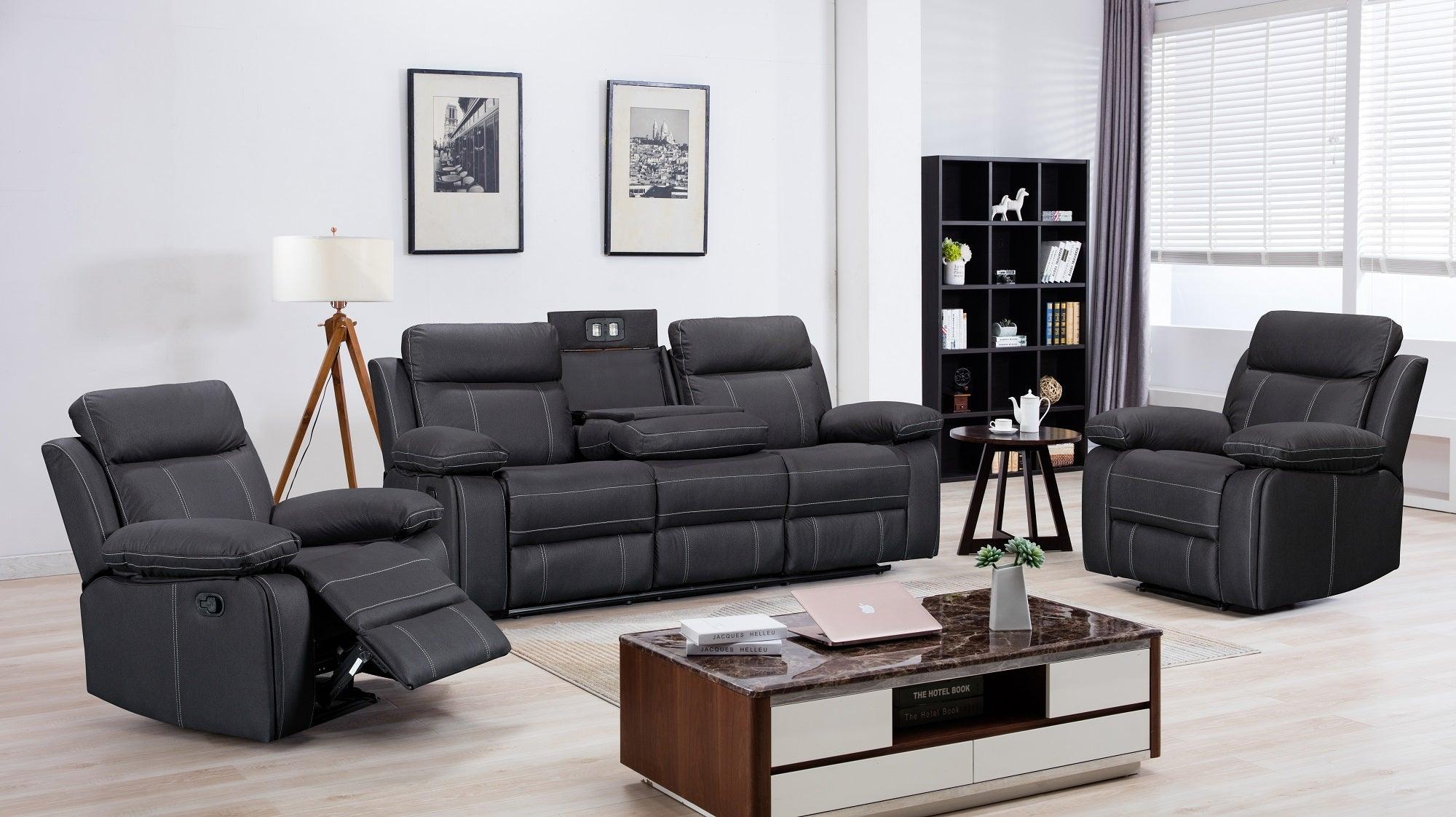
Every good piece of furniture starts with a clear job to do. A sofa needs to be genuinely comfortable to sit and lounge on, a dining table needs to seat the people who actually gather around it, and a bedside table needs to hold what you reach for at 11pm without you having to think about it. Design that looks striking but fights the way you actually live in a room rarely earns its keep. Across our living room range, we start with how a piece will actually be used before we worry about how it will photograph.

Aesthetics and style
Once a piece does its job, how it looks is what decides whether it earns a place in your home. Colour, texture, finish and silhouette all work together, and different rooms call for different languages — Hamptons-style pieces suit a coastal Queenslander, while a sleek glass or marble coffee table suits a more contemporary apartment. Our range spans both directions and everything in between, from timber-heavy classic pieces to minimalist modern lines, so the aesthetic decision is yours to make rather than something we make for you.
The dining space is a good example of how aesthetics and daily use intersect — a table needs to anchor the room visually while standing up to every family dinner, homework session and Sunday roast that happens around it. Browse our dining room range for examples of how that balance plays out across timber, glass and marble finishes.

Comfort and ergonomics
Aesthetics alone never make a piece worth living with. A striking chair that's uncomfortable after ten minutes, or a bed frame with a headboard at the wrong height, fails the most basic test of furniture design. Comfort is partly about cushioning and upholstery, and partly about proportion — seat height, backrest angle, and how a piece supports the body during the activity it's built for. This is one reason we recommend testing furniture in person where possible; a sofa or bed frame can look identical in two different finishes online and feel completely different in the showroom.
Materials and craftsmanship
The materials behind a piece decide how long it lasts and how it ages. Solid and engineered timbers, genuine leather, performance fabrics, glass and marble all behave differently over years of daily use, and in Queensland's humidity that difference matters more than it does in a drier climate. A well-built bed frame or dining table should be able to handle a decade or more of real use, not just look good on delivery day. When we bring a new range into our showrooms, construction and material quality are checked before the piece ever reaches the floor.

Shop the range
Explore the categories these design principles apply to across our range:
Adaptability and versatility
Homes and needs change, and furniture that can adapt tends to earn its price back several times over. Storage beds that free up a small room, modular sofas that can be reconfigured as a family grows, and console tables that work equally well in an entryway or behind a sofa are all examples of design solving more than one problem at once. It's a big part of why storage-integrated and modular pieces have become such a large share of what we sell in recent years — Australian homes, especially apartments and townhouses, reward furniture that pulls double duty.
Putting it together at home
None of these principles work in isolation — the best rooms come from a piece that's functional, well-made, comfortable and visually consistent with everything around it. That's also why we build most of our range as coordinated pieces rather than one-offs: a coffee table, TV unit and sofa designed to sit together saves the guesswork of matching styles and proportions yourself. If you're planning a room from scratch, our showroom teams across Rocklea, Beenleigh, North Ipswich, Virginia and Bundall can talk through layout and material choices in person before you commit to anything.
- Start with function. Decide what the piece needs to do before you decide how it should look.
- Test comfort in person where you can — cushioning and proportion vary more between ranges than photos suggest.
- Match materials to how the room is used. High-traffic family rooms suit performance fabrics and engineered timbers; formal spaces can carry more delicate finishes.
- Think ahead. Storage, modularity and adaptable pieces tend to outlast furniture bought for a single fixed purpose.
Furniture design FAQs
What's the most important factor in furniture design?
Functionality comes first — a piece has to genuinely suit how it will be used before aesthetics, comfort or material choice matter. From there, comfort and material quality determine whether it's worth living with day to day.
How do I know if furniture is good quality?
Check the frame construction, the upholstery or finish, and how the piece feels in person — solid joints, even stitching and a stable base are good signs. Materials like genuine leather, solid and engineered timbers, and performance fabrics generally outlast budget alternatives when properly cared for.
Should I match all my furniture to one style?
Not necessarily — a coordinated look (like a matched lounge suite or dining set) is easier to style, but many of the best rooms mix a few consistent materials or tones across pieces bought at different times, rather than matching everything exactly.
Is more expensive furniture always better made?
Not always — price reflects materials, brand and finish, but well-designed furniture at accessible price points can still be well-built. Check construction details and materials directly rather than relying on price as a shortcut.
How can I make small-space furniture work harder?
Look for pieces that do more than one job — storage beds, coffee tables with storage, modular sofas and console tables that double as display and storage. Versatile, adaptable furniture tends to be the best value in apartments and smaller homes.
Where can I see A2Z Furniture's range in person?
We have five showrooms across South-East Queensland — Rocklea (flagship), Beenleigh, North Ipswich, Virginia and Bundall on the Gold Coast. All carry a broad cross-section of our living room, dining, bedroom and coffee table ranges. See our showroom locations page for hours and directions.
Written by the A2Z Furniture team — five South-East Queensland showrooms, family-owned and operated since 2013. Last updated July 2026.