
A hypoallergenic mattress is one made from materials described as less likely to cause a reaction. The word describes the materials, not an outcome, and no mattress can promise to stop allergy or asthma symptoms. What you can choose is the cover fabric, the comfort layers, and how easily the bedding on top washes.
- If you want a bamboo layer you can machine wash: fit a protector like the Mellow Pillow Bamboo Waterproof Mattress Protector, a bamboo surface over a waterproof backing.
- If you want memory foam without an all-foam bed: the Cool Night Gel Memory Foam Mattress puts 2 cm of gel memory foam over a pocket spring core.
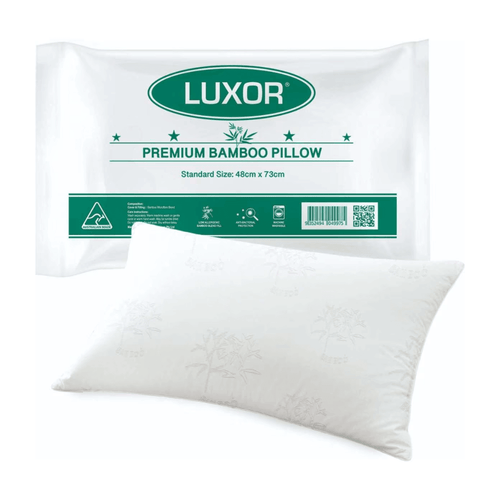
- If you want a pillow that goes in the washing machine: choose a fibre-filled one like the Bamboo Cooling Pillow, not a memory foam pillow.
In this guide
Why mattresses and allergies get linked
People who search for an allergy-friendly mattress are usually reacting to what builds up in a bed over time, rather than the mattress itself. Every night a bed collects dust, skin flakes, sweat and whatever comes in on clothes, hair and pets. Dust mites are tiny creatures that live in bedding and feed on those skin flakes, and they like warm, humid conditions.
Moisture matters too. A mattress that never gets a chance to dry out, in a closed room or pushed against a damp wall, is where mould gets a start. In a humid climate that is worth thinking about all year round.
That is why the most useful questions are practical ones. What is the cover made of? What sits under it? Can the layers on top of it be washed often? Those are the questions this guide works through.
One thing we will not do is tell you a mattress will make you feel better. If you have allergy or asthma symptoms, or think something in your bedroom is causing a reaction, please talk to your GP. They can work out the cause; a mattress shop cannot.
Pieces in this guide


What does hypoallergenic mean on a mattress?
Hypoallergenic means less likely to cause an allergic reaction. It does not mean nobody will react, and it is not the same as allergy-proof or dust mite free. On a mattress it is usually said about a fabric or a fill, not the whole bed.
So read the claim closely. Ask what part of the mattress the word is describing, and whether the description says why. A good example from our own range: the Firm Core Mattress with Coconut Fibre, a Bonnell spring mattress, has a bamboo fabric cover, and its product page describes that fabric as "soft to the touch, moisture-wicking, breathable and hypoallergenic". That is a description of the cover material. It is not a promise about how you will sleep or how you will feel.
The Firm Core is the one mattress in our bamboo mattress range. Whatever mattress you look at, read its product page for what the cover fabric is said to do and what sits underneath it.
Is memory foam hypoallergenic?
Memory foam is a dense foam with no loose fibre fill, and some sellers call it hypoallergenic for that reason. None of the memory foam mattress pages in this guide make that claim, so we will not make it for them either.
It also helps to know what sits on top of the foam. In most mattresses the memory foam is not the surface you lie on. On the Supreme Care 5 Zone Memory Foam Mattress, the memory foam is quilted into the top under a knitted cover, with 3 cm of convoluted foam and a 25 cm, 5-zone pocket spring core beneath it. Dust and sweat settle on that cover, which is why a protector and regular washing count for more than the foam type.

Mattresses with a memory foam layer are grouped in our memory foam mattress range. Read each product page for the core, because the collection name does not tell you the construction: both the Supreme Care and the Cool Night, for example, have pocket springs under the foam.
The materials in our range, compared
Here is how the three mattresses in this guide are built, taken from their product pages.
| Feature | Firm Core | Supreme Care | Cool Night |
|---|---|---|---|
| Construction | Bonnell spring structure with a coconut fibre board | 25 cm, 5-zone pocket spring core | 23 cm pocket spring core |
| Comfort layers | High-density foam layer | Memory foam quilted top and 3 cm convoluted foam | 1 cm comfort foam, 2 cm gel memory foam, 2 cm support foam |
| Cover | Bamboo fabric, described on its page as moisture-wicking, breathable and hypoallergenic | Knitted fabric | Knitted fabric |
| Feel | Very Firm (no score published) | Plush, 4 out of 10 | Medium-Firm, 6 out of 10 |

The Cool Night's gel memory foam is designed to feel cooler than standard memory foam; its product page calls it a cooler-feeling top. That is a comfort feature, not an allergy feature.
Keep firmness as a separate decision. Choose the feel that suits how you sleep first: side sleepers usually suit Soft & Plush or Medium Firm, back sleepers Medium Firm, stomach sleepers Firm, and heavier builds one tier firmer. Then compare covers and layers within that feel. A cover fabric you like is no help on a mattress you cannot sleep on.
An allergy-friendly bed routine
Whatever mattress you choose, the bedding on top of it does most of the day-to-day work, because it is the part you can wash.
- Use a washable mattress protector. It sits between you and the mattress and catches sweat and spills before they reach the cover, and unlike the mattress it goes in the washing machine. Our Waterproof Mattress Protector has a cotton terry surface over a PU backing; the Mellow Pillow Bamboo Waterproof Mattress Protector has a bamboo surface. Wash it every few weeks.
- Wash sheets and pillowcases weekly at the hottest temperature the care labels allow.
- Vacuum the mattress monthly, along the seams and quilting lines, and vacuum under the bed as well.
- Let the bed breathe. Turn the covers back for a while each morning, air the room, and keep the mattress off damp walls.
- Choose pillows by how they wash. The Bamboo Cooling Pillow has a 30% bamboo and 70% polyester fill with no foam core, so the whole pillow is machine washable on a gentle cycle. The Mellow Pillow Memory Foam Cooling Gel Pillow must never be machine washed, so it needs a pillow protector under the pillowcase and a spot clean when needed.

Both pillows, along with other fills, are in our pillows collection. For the full cleaning method, including stains and smells, see our guide to cleaning a mattress step by step.
If you would like to compare covers and feel in person, ask which of our five showrooms has the mattress you are interested in on display.
Hypoallergenic mattress FAQs
What is the best mattress for allergies?
There is no single answer, and no mattress can promise to stop allergy symptoms. Choose the feel that suits how you sleep, then look at the cover fabric and comfort layers, and pair the mattress with a washable protector and a weekly washing routine. If you have symptoms, your GP is the right person to ask about their cause.
Can you be allergic to a new mattress?
A new foam or boxed mattress can have a smell when it is first unrolled, so open the windows and let the room air well over the first few days. If you think you are reacting to anything in your bed, speak to your GP, who can work out what is causing it.
Is there such a thing as a dust mite free mattress?
No mattress can be guaranteed dust mite free, because dust mites live in bedding wherever there are skin flakes and warmth. What you can do is keep the layers on top clean: a washable protector, weekly washing of sheets, and regular vacuuming and airing.
Is a bamboo mattress hypoallergenic?
Only go by what each product says. The Firm Core Mattress with Coconut Fibre has a bamboo fabric cover that its product page calls breathable and hypoallergenic. That describes the cover fabric, not the whole mattress, and it is not a promise about symptoms.
Do I still need a mattress protector on a hypoallergenic mattress?
Yes. A fixed mattress cover cannot go in the washing machine, but a protector can. It takes the sweat and spills first, and you can wash it every few weeks, which keeps the mattress itself cleaner for longer.