
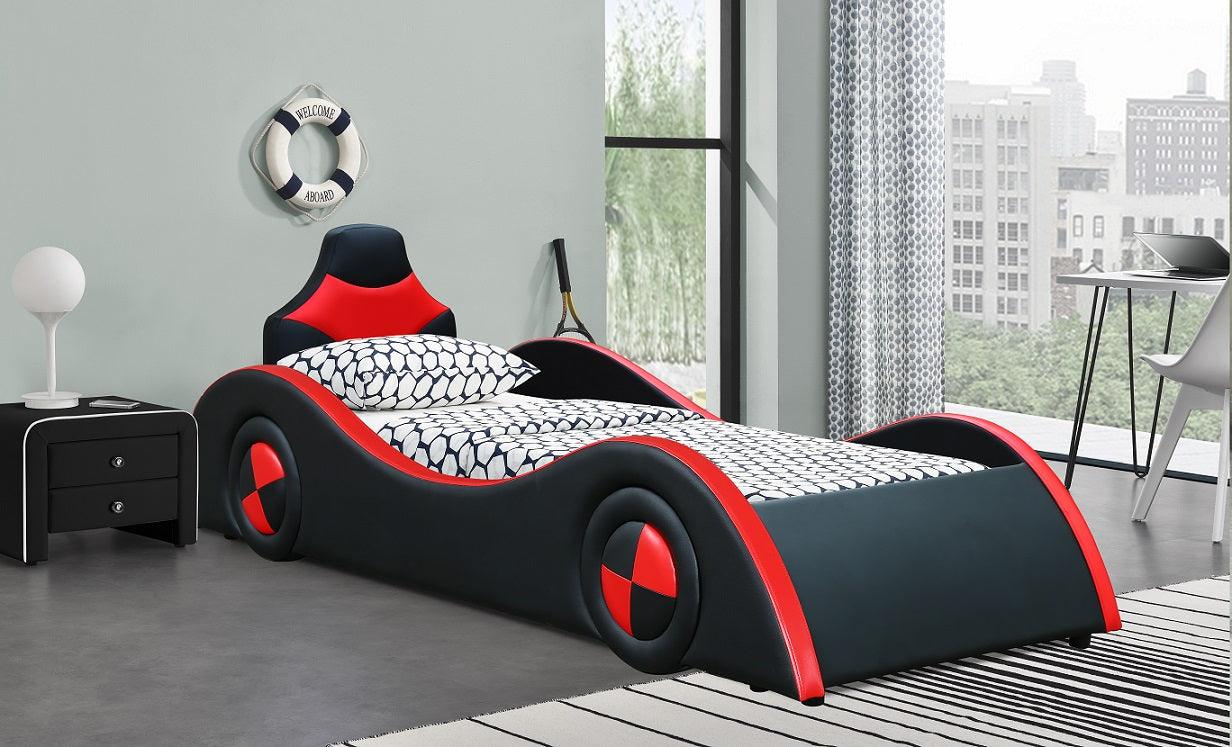
The best kids' furniture is not just cute. It should be stable, easy to clean, age-appropriate, and practical enough to grow with your child. In Australia, that also means checking current safety guidance for toppling furniture, bunk beds, cots, and safe sleep spaces before you buy.
At The A2Z Furniture, we help Queensland families compare furniture in person across our five SE QLD showrooms, so this guide is written for real homes, real storage needs, and the way kids actually climb, pull, jump, spill, and grow.
This page was written for Australian families and reviewed against current safety information from the ACCC Product Safety guide on toppling furniture, the ACCC bunk beds guide, Red Nose safe sleep recommendations, and Queensland Government bunk bed advice.

Quick answer: how do you choose child-friendly furniture?
Choose wide-based pieces that feel solid when drawers and doors are opened. Tallboys, wardrobes and bookcases should always be anchor-friendly.
A toddler needs low beds, fewer climb points and easy-reach storage. Older kids need stronger desks, better organisation and sturdy sleep surfaces.
Favour smooth edges, secure hardware, wipe-clean surfaces and low-odour finishes that suit everyday family use.
The short version
- Pick furniture that is stable before you style the room.
- Anchor tall storage and keep heavy items low.
- Check bunk bed and cot guidance before purchasing.
- Measure the room so walkways stay open and easy to supervise.
- Choose pieces that your child can use safely without climbing, stretching or wobbling.
Useful internal links
- Kids beds for low-profile and fun bed options
- Bedroom storage for practical organisation
- Chest of drawers and tallboys for clothing storage
- Kids mattresses for growing sleepers
- Mattress protectors for easier clean-ups
Why furniture safety matters in Australian kids' rooms
Furniture safety is more than a nice extra. The ACCC says toppling furniture has killed at least 28 people in Australia since 2000 and causes nearly 20 injuries every week, with children under 5 most at risk of serious harm. Australia's mandatory information standard for toppling furniture took effect in May 2025, and new infant sleep product standards began on 19 January 2026. Bunk beds also remain covered by a mandatory safety standard.
Toppling furniture
Look for anchoring guidance, warning labels and practical ways to secure tall storage. Review the ACCC toppling furniture guide.
Nursery and sleep safety
For baby sleep spaces, follow Red Nose safe sleep recommendations and the current ACCC infant sleep product standards.

A parent-friendly buying checklist for safe kids' furniture
Use this checklist when you are shopping online or comparing pieces in store. It works for kids beds, tallboys, desks, bedside tables and storage furniture.
Children move quickly and unpredictably. Rounded corners, chamfered edges and well-finished surfaces can reduce bumps, scratches and splinters.
Open drawers. Push gently from the front and side. If it feels light, top-heavy or wobbly, move on.
Bookcases, wardrobes and chest drawers should sit flat against the wall and allow secure anti-tip installation.
The lower part of the unit should carry the weight. This makes day-to-day use safer and helps stability.
Look for low-odour, easy-clean finishes and hardware that stays firmly fixed. Wipeable surfaces are helpful in bedrooms, study zones and play corners.
Furniture that is too big can encourage unsafe climbing or awkward use. Beds, desks and chairs should suit the child you have now, not only the child they will become.
Only buy models that comply with the mandatory standard and follow age guidance carefully. In Queensland, children under 9 should not sleep on the top bunk.
Cots, bassinets and infant sleep products need stricter checks than general bedroom furniture. Always confirm current safety information before buying.

What safe furniture looks like at each stage
Good kids' room design changes as your child grows. The safest setup is usually the one that feels easy to use every day, because that means it is less likely to become cluttered, climbed on or awkwardly arranged.

Furniture priorities change quickly from nursery to teen years, so flexible storage and sensible sizing help rooms stay safer for longer.
Keep the room simple. Focus on a safe sleep setup, clear floor space, anchored storage and easy access for the adult caring for baby.
Choose low beds, easy-reach storage and fewer tempting climb points. Avoid placing furniture near blind cords, windows or unstable rugs.
Add practical desks, toy and book storage, and tougher finishes. This is when clutter grows fast, so organisation matters more.
Look for stronger frames, more storage, and flexible layouts that support sleep, study and changing interests without overcrowding the room.
How to choose the right pieces for the room
For younger children, low-profile single beds are often easier and safer to get in and out of. Browse single bed frames or kids beds if you want options designed for smaller rooms.
Use low storage for daily items and anchored taller storage for clothing or less-used items. Built-in storage beds can be useful where floor area is tight. Explore bed frames with storage and tallboys.
A practical room also needs the right sleep accessories. Consider kids mattresses for age-appropriate support and mattress protectors for easier everyday care.
Common mistakes parents make when buying kids' room furniture
What to avoid
- Buying tall storage without planning for wall anchoring.
- Choosing a bed that is too high for the child's age or confidence.
- Placing attractive objects on top of drawers, which encourages climbing.
- Using adult-sized desks and chairs that are awkward for smaller bodies.
- Overfilling the room and shrinking safe walkways.
- Assuming any nursery or sleep product is suitable without checking current guidance.
What usually works better
- Measure first, then buy only what the room can comfortably hold.
- Use furniture that gives your child safe independence, such as reachable bookshelves or toy bins.
- Prioritise simple layouts with clear lines of sight and open pathways.
- Choose finishes, fabrics and colours that age well rather than chasing short-lived novelty.
- Visit a showroom to test drawer action, edge finish, bed height and overall sturdiness in person.
What to ask before you buy
- Can this piece be anchored safely if it is tall or front-heavy?
- Does the bed height make sense for my child's age and ability?
- Will the layout still leave enough room to move, play and open drawers fully?
- Are the materials and finishes practical for everyday spills, marks and cleaning?
- Will this still work when toys, books and school gear increase next year?
- Can I see the item in person before ordering, or speak to a team member about sizing and room fit?
Need help planning a safer kids' room in Queensland?
Browse online first
Start with our kids bedroom furniture collection to compare beds, storage and practical room essentials.
Visit a showroom
Prefer to test finishes, bed heights and storage in person? Visit one of our five SE QLD locations in Rocklea, North Ipswich, Beenleigh, Virginia or Bundall via our contact and showroom page.
Frequently asked questions
What is the safest furniture for a child's bedroom?
The safest furniture is stable, correctly sized for the child, smooth on edges, and practical enough to reduce climbing and clutter. Tall pieces such as wardrobes, bookcases and tallboys should be anchored, and beds should suit the child's age and confidence getting in and out safely.
Do kids' room tallboys and drawers need to be anchored?
Yes, tall storage should be anchored where possible. Opening drawers shifts weight forward and children may climb or lean on them, which increases the risk of tip-over. This is one of the most important safety steps in any kids' room.
What should I look for in a bunk bed in Australia?
Choose a bunk bed that complies with the mandatory Australian safety standard, has secure guardrails, a stable ladder, and clear assembly instructions. Follow age recommendations carefully. Queensland guidance says children under 9 should not sleep on the top bunk.
Are low beds better for toddlers and younger children?
Often, yes. Lower beds can make it easier for younger children to get in and out independently and may reduce the risk of falls. They also tend to feel calmer and more manageable in smaller bedrooms.
How can I make a small kids' room safer?
Use fewer, better pieces. Prioritise a low bed, practical storage, clear walkways and items that can do more than one job, such as a bed with built-in storage. Avoid overcrowding and keep tempting climb targets off the tops of drawers.
What is the safest setup for a nursery or baby room?
Keep the nursery simple and focused on safe sleep, anchored storage and easy access for caregivers. For cots and infant sleep products, always check current ACCC guidance and Red Nose recommendations rather than treating them like standard bedroom furniture.
Final word
A beautiful kids' room should still work hard behind the scenes. The best spaces are the ones that feel safe, calm, easy to maintain and easy for children to use well. When you start with stability, sensible sizing and good room flow, style becomes much easier to get right.
Ready to compare options? Browse our kids bedroom furniture, explore kids beds, or visit a Queensland showroom for help choosing pieces that suit your child and your space.
Related reading: How to Choose a Bed Frame: Complete Australian Buying Guide | Shop single bed frames for kids